
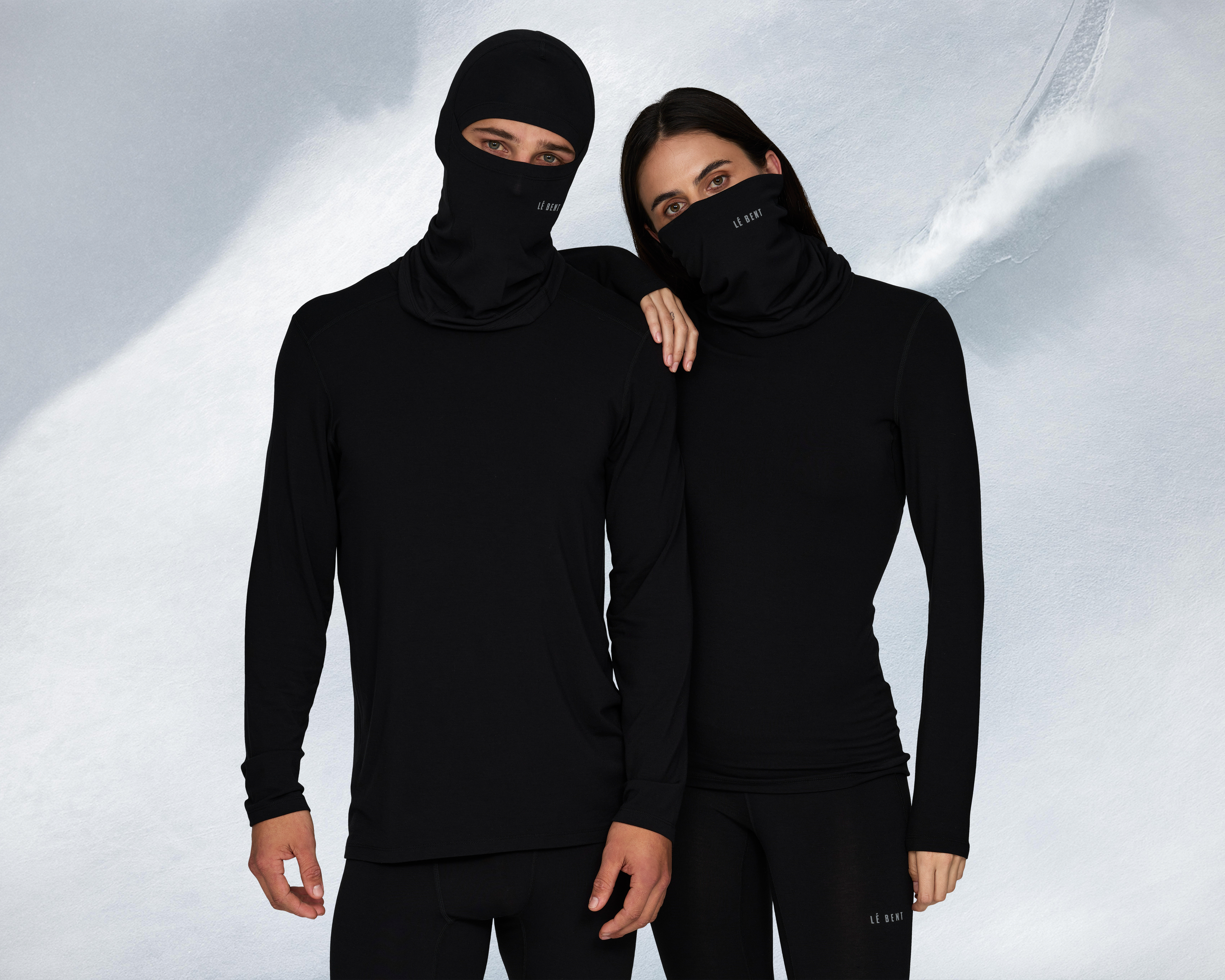
When temperatures drop, wind picks up, and your favourite mountain turns into a frozen playground, having the right layers can be the difference between an epic day outside and cutting your session short.
For skiers, snowboarders, backcountry adventurers, and anyone who spends time outdoors in winter, not all thermals are created equal. Lightweight base layers might work for high-output days, but when conditions turn brutal, you need a layer built specifically for extreme cold weather.
Introducing the LÉ BENT Heavyweight 280gsm Grid Fleece Collection.
Designed for freezing temperatures, slow-paced missions, and long days in the mountains, this is our warmest base layer system yet.
What is a heavyweight base layer?
A heavyweight base layer is designed to provide maximum insulation in cold conditions. Unlike lightweight thermals that prioritise breathability and moisture management, heavyweight layers focus on trapping more warmth close to your body.
The difference comes down to fabric weight, structure, and insulation.
The LÉ BENT Heavyweight 280gsm Grid Fleece uses a high-loft grid construction that creates small air pockets within the fabric. These pockets trap warm air while allowing excess moisture to escape, helping regulate your body temperature when conditions get extreme.
Simply put: more warmth, without the bulk.
When should you wear heavyweight thermals?
The best heavyweight thermals are designed for the coldest days of the year.
Choose heavyweight layers when:
- Temperatures are below freezing
- You’re skiing or snowboarding in deep winter conditions
- You’re spending long periods outside with limited movement
- You’re exploring backcountry terrain
- You run cold naturally
- You need extra insulation under your outer layers
For resort skiing, heavyweight base layers are especially valuable on storm days, early morning chairlift laps, and mid-winter conditions when the mountain is at its coldest.
If you’ve ever stood on a chairlift in freezing wind wishing you packed another layer, this is the layer you were missing.
The warmest merino base layers for skiing
Merino wool has long been considered one of the best natural fibres for winter layering because it provides warmth, breathability, and natural odour resistance.
But the warmest merino base layers take things further by combining merino’s natural performance with advanced fabric construction.
The LÉ BENT Heavyweight Grid Fleece combines premium merino fibres with a technical grid fleece structure to create a thermal layer that delivers:
Maximum warmth
The 280gsm fabric weight provides serious insulation for cold-weather adventures.
Moisture management
Merino naturally moves moisture away from your skin, helping keep you dry during active days.
Breathability
The grid fleece design allows excess heat and moisture to escape when your body temperature rises.
Odour resistance
Merino fibres naturally resist odour, meaning you can wear your gear longer between washes.
Heavyweight vs lightweight thermals: Which one do you need?
Choosing the right thermal layer depends on the conditions and how you spend your day outdoors.
| Layer Weight | Best For | Conditions |
|---|---|---|
| Lightweight thermals | High-output activities, touring, spring skiing | Mild to cool conditions |
| Midweight thermals | Everyday skiing and snowboarding | Most winter days |
| Heavyweight thermals | Extreme cold, storm days, maximum warmth | Freezing conditions |
A common mistake is wearing the same base layer every day.
A lightweight thermal might be perfect for hiking uphill or spring laps, but when temperatures drop below zero, a heavyweight layer provides the insulation needed to stay comfortable.
The complete Heavyweight 280gsm layering system
Maximum warmth comes from building a complete system.
The LÉ BENT Heavyweight Collection includes:
Heavyweight Grid Fleece Crew
Your go-to thermal top for freezing conditions.
Designed as a next-to-skin layer, the Heavyweight Grid Fleece Crew provides warmth across your core while maintaining the breathability needed for active days outdoors.
Perfect for:
- Skiing
- Snowboarding
- Backcountry touring
- Winter camping
- Cold-weather hiking
Heavyweight Grid Fleece Bottom
Cold legs can end a mountain day quickly.
The Heavyweight Grid Fleece Bottom adds insulation where you need it most, creating a warm foundation underneath ski pants or snow gear.
Ideal for:
- Powder days
- Resort skiing
- Alpine adventures
- Long days outside
Heavyweight Headwear
Heat loss from your head can make cold conditions feel even colder.
Our heavyweight headwear range adds another layer of protection when temperatures plummet, whether you're waiting for first chair or exploring snowy terrain.
What should you wear skiing on extremely cold days?
For the coldest ski days, a reliable layering system looks like:
- Base layer: Heavyweight merino thermal top and bottom
- Mid layer: Insulating fleece or synthetic layer
- Outer layer: Waterproof ski jacket and pants
- Accessories: Warm socks, gloves, and headwear designed for freezing conditions
The key is creating layers that work together. A good base layer manages moisture, while your mid and outer layers trap warmth and protect against the elements.
Are heavyweight merino thermals worth it?
If you regularly ski, snowboard, hike, camp, or spend time outdoors in winter, heavyweight thermals are one of the most valuable pieces of gear you can own.
They extend your comfort zone, allowing you to stay outside longer when conditions get harsh.
The difference between being cold and being comfortable often comes down to the first layer against your skin.
Built for the coldest days. Designed for mountain life.
The LÉ BENT Heavyweight 280gsm Grid Fleece Collection was made for those days when winter shows its true colours.
Storm days. Deep powder. Frozen mornings. Long missions.
When the forecast says cold, this is the layer you reach for.
Shop the Heavyweight 280gsm Layer Bundle and save 20% on your complete cold-weather system.
Frequently Asked Questions
What is the warmest base layer for skiing?
The warmest base layers for skiing are typically heavyweight merino or merino-blend thermals with high fabric weight and insulating construction. A 280gsm heavyweight grid fleece layer provides maximum warmth while maintaining breathability.
Is heavyweight merino warmer than lightweight merino?
Yes. Heavyweight merino layers use more fabric and insulation to trap more heat, making them better suited for freezing temperatures and low-output activities.
What gsm merino is best for extreme cold?
For extreme cold conditions, heavyweight merino layers around 250gsm to 300gsm are designed to provide maximum insulation while still managing moisture.
Should ski thermals be tight or loose?
Base layers should fit close to your skin without restricting movement. This allows the fabric to effectively manage moisture and trap warmth.
What layers should I wear skiing below zero?
For below-zero skiing, start with a heavyweight thermal base layer, add an insulating mid layer, and finish with a weatherproof outer shell. Accessories like warm socks and headwear complete the system.





