
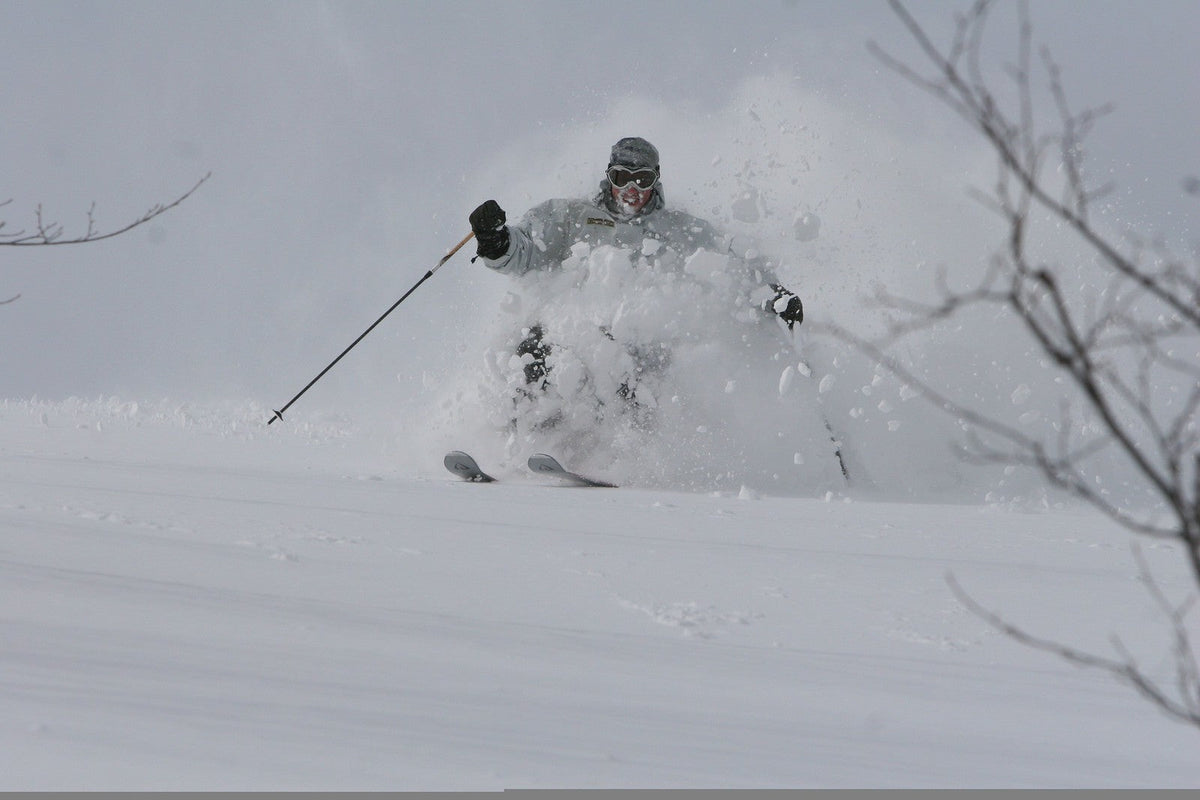
Ten resorts, one valley. Hakuba is big alpine terrain that feels more European than anywhere else in Japan. Steep faces, huge snowfalls, a proper village atmosphere and the Northern Japanese Alps towering over the lot.
Here's how to plan a trip.
Where is Hakuba?
Hakuba is in Nagano Prefecture on Honshu, Japan's main island. It hosted alpine events at the 1998 Nagano Winter Olympics, and the valley has been drawing skiers from around the world ever since.
The Hakuba resorts
Hakuba Valley is a collection of separate resorts along one valley, and a Hakuba Valley pass gives you access to them. A few to know:
- Happo-One: The biggest and most famous, with long, steep runs and huge views. The Olympic downhill venue.
- Hakuba 47 and Goryu: Linked resorts with a good mix of terrain, and a favourite with snowboarders.
- Cortina: At the far northern end of the valley, known for deep snow and tree skiing.
- Tsugaike: Wide, open terrain that's great for beginners and families.
- Iwatake: Smaller, with some of the best views across the valley to the Alps.
When to ski Hakuba
January and February bring the most reliable powder. March has longer days and spring conditions on the lower slopes, while the higher resorts can still hold good snow. Nagano storms can be heavy, so expect some big dumps and some wetter days too.
Getting to Hakuba
Fly into Tokyo, then take the Shinkansen (bullet train) to Nagano. From Nagano station, buses run to Hakuba village in around an hour. Many shuttle companies also run direct from Tokyo's airports. Use luggage forwarding to send your ski bags ahead so you can travel light on the train.
Where to stay
Echoland and Wadano are popular bases near Happo-One, with plenty of restaurants and bars. Many resorts run free shuttle buses around the valley, so you can ride a different resort every day without a car.
What to wear in Hakuba
Hakuba's snow is often wetter and heavier than Hokkaido's, and the alpine terrain is more exposed to wind. A properly waterproof shell is essential, along with a breathable mid layer, merino base layers and a neck gaiter or balaclava for windy days up high. Read our Japan layering guide for the full system.
Beyond the slopes
- Onsens. The valley has plenty of hot springs for a post-ski soak. Brush up on onsen etiquette first.
- Nozawa Onsen. A classic onsen village about an hour away, and worth a day trip.
- Snow monkeys. Jigokudani, where wild monkeys soak in hot springs, is a popular day trip from the Nagano area.
Hakuba or Niseko?
Choose Hakuba for bigger, steeper alpine terrain, variety and easy access from Tokyo. Choose Niseko for lighter, more consistent powder and tree runs. Our Hokkaido vs Nagano guide breaks it down, or read our Niseko guide.
Explore every resort in the JAPOW Hub resort guides.
Frequently Asked Questions
How many ski resorts are in Hakuba?
Hakuba Valley is home to around ten ski resorts spread along the valley, accessible on a Hakuba Valley lift pass.
How do you get to Hakuba from Tokyo?
Take the Shinkansen from Tokyo to Nagano, then a bus from Nagano station to Hakuba. Direct shuttle buses also run from Tokyo's airports.
Is Hakuba good for beginners?
Yes. Resorts like Tsugaike and parts of Happo-One have excellent beginner terrain and ski schools.
When is the best time to ski Hakuba?
January and February for powder, March for spring skiing, sunshine and fewer crowds.








