
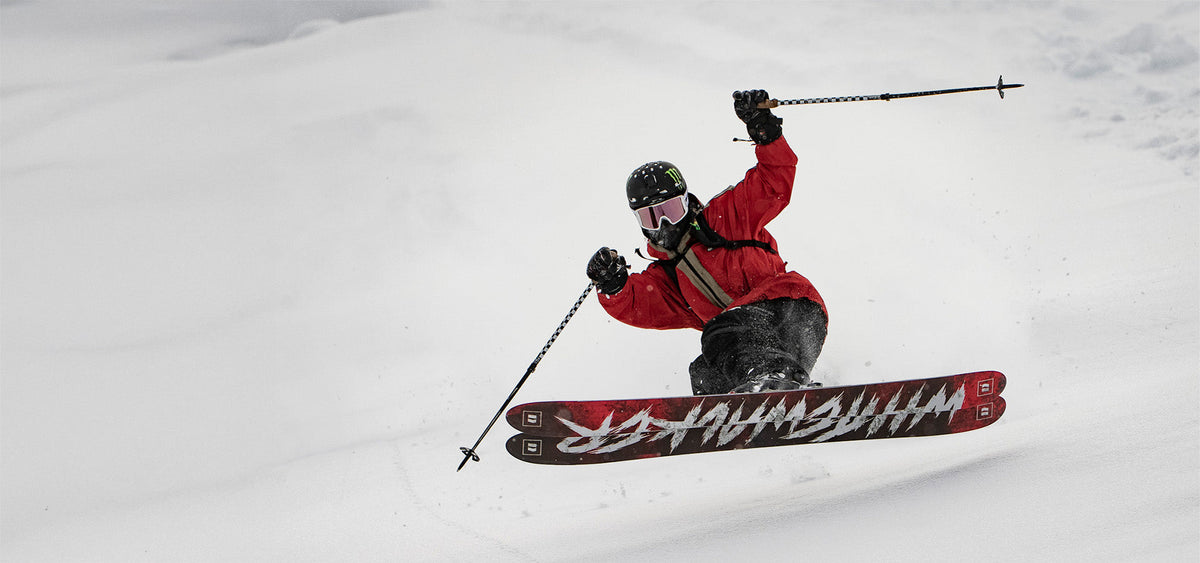
Niseko is the name that started it all. Deep, reliable, international and busy, for good reason. If you've ever seen a photo of someone disappearing into chest-deep powder between birch trees, there's a good chance it was taken here.
Here's what you need to know before you go.
Where is Niseko?
Niseko sits on Hokkaido, Japan's northernmost main island, around the slopes of Mt Niseko Annupuri. Across the valley is Mt Yotei, the near-perfect volcanic cone you'll see in every postcard. Cold air coming off Siberia over the Sea of Japan hits these mountains and dumps some of the lightest, most consistent snow on the planet.
The four Niseko resorts
Niseko United is four interconnected resorts on the same mountain, all accessible on one all-mountain lift pass.
- Grand Hirafu: The biggest and busiest, with the main village, most of the accommodation, restaurants and nightlife. Home to night skiing.
- Hanazono: Known for its tree runs and family-friendly facilities.
- Niseko Village: A more resort-style base, with some excellent tree skiing.
- Annupuri: The quietest of the four, with wide, cruisy runs and a more relaxed feel.
When to ski Niseko
The season generally runs from late November or early December into early May, but the peak powder months are January and February. It snows a lot, and often. March brings softer snow, more sunshine and fewer crowds. See our month-by-month guide for more.
Getting to Niseko
Fly into New Chitose Airport near Sapporo. From there it's around two to three hours to Niseko by bus, shuttle or car, depending on the weather and the route. Most people book an airport transfer or bus. Driving in a Hokkaido snowstorm is not how you want to start your trip.
Niseko's backcountry gates
Niseko is famous for its gate system, which lets riders access terrain beyond the resort boundary through designated gates when conditions allow. A few rules to know:
- Only use open gates. Never duck a rope or enter closed areas. Those closures are there because of avalanche risk.
- Beyond the gates is not patrolled or controlled. You are responsible for your own safety.
- Check the daily avalanche information before heading out.
- Carry avalanche safety gear and know how to use it, or better still, go with a qualified local guide.
Read more in our guide to Japan backcountry and avalanche safety.
What to wear in Niseko
Niseko's snow is light and dry, but it's also cold, and storms can roll through for days. Layer properly: a midweight merino base layer for most days, Heavyweight Grid Fleece for the coldest ones, a breathable mid layer, and a proper waterproof shell. Pack a balaclava for the chairlift and plenty of merino ski socks. Our Japan layering guide covers the full system.
Where to eat and après
- Konbini runs. Onigiri, fried chicken and hot drinks from the convenience store are a Niseko lunch staple.
- Jingisukan. Hokkaido's grilled lamb, cooked tableside on a domed skillet. A must-try.
- Ramen. Hokkaido is famous for it, and nothing beats a bowl after a cold day.
- Kutchan. The nearby town has supermarkets and local restaurants at more local prices.
Is Niseko worth it?
Yes, especially for a first trip. It's easy to get around in English, the snow is incredibly consistent, and there's terrain for everyone. If you'd prefer something quieter with the same storms, look at nearby Rusutsu or Kiroro, or read our guide to Japan's quietest ski resorts.
Explore every resort in the JAPOW Hub resort guides.
Frequently Asked Questions
When is the best time to ski Niseko?
January and February for peak powder. March for softer snow, more sunshine and fewer crowds.
How do you get to Niseko?
Fly into New Chitose Airport near Sapporo, then take a bus, shuttle or transfer. The trip takes around two to three hours.
Is Niseko good for beginners?
Yes. All four resorts have beginner terrain, English-speaking ski schools and easy-to-navigate villages.
What are the Niseko gates?
Designated access points that let experienced riders reach terrain beyond the resort boundary when conditions allow. Beyond the gates is uncontrolled terrain, so avalanche gear, knowledge and ideally a guide are essential.








