
Moments
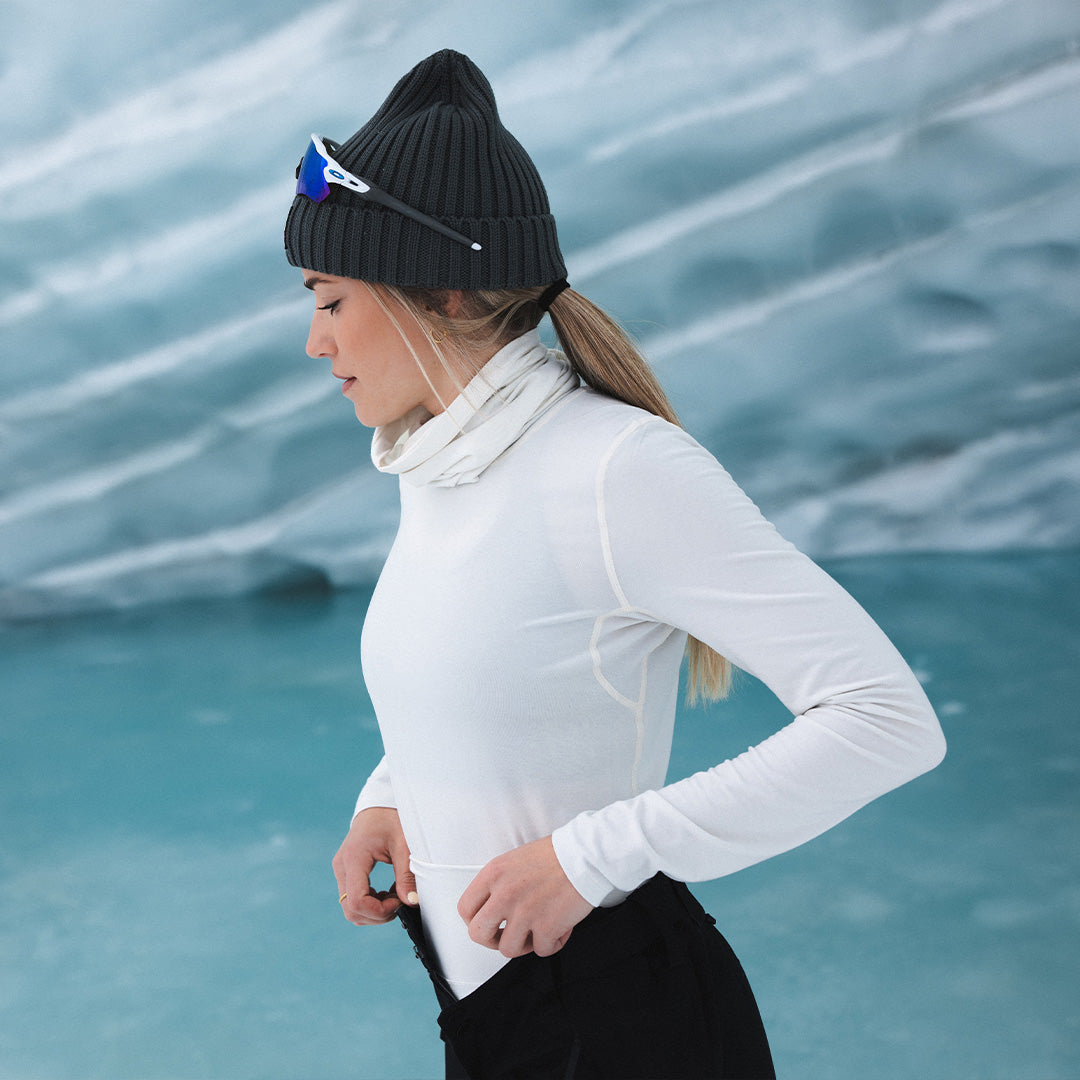

The Ultimate Guide to Layering for the Australian Snow Season
Think of your clothing as a series of interconnected systems, each with a specific job. This allows you to add or remove layers as your activity level and the weather change, maintaining optimal body temperature and comfort. Read for the break down.
Read more
BOA Ski Boots - What Are They & Do They Fit Better?
We exist to keep you in the moment with our luxuriously soft snow socks, and therefore we stay up to date with the latest in ski boot technology. So, what’s the fuss about BOA ski boots? We take a look at BOA and modern bootfitting.
Read more
Cap-tivating Performance: How a Running Cap Can Give You the Edge You Need
One in five Australians participate in jogging or running at one stage in their life. Are you a member of this group? If so, you need a running hat. This handy piece of running gear is not one you want to be without. It's the perfect tool for dealing with most of the typical running troubles. Of course, you're probably wondering what these running troubles are and what benefits you can get from the best running caps. If so, worry not! You won't need to wonder for long. Why You Should Run with a Cap solve them all. If you want to up your running game to its best potential, you need the best run cap. It should have most, if not all, of the following features: Eye protection Style Great fit Breathability Reflectivity or brightness Moisture wicking fabric Waterproof Yes, hats with all these features can be worth quite a pretty penny at times. But you're going to want a hat that has at least some of these features. If you get a hat with only a few running cap features, you're going to miss out on most of the following awesome benefits: Protection from the Sun This won't be as useful during the cloudy winter months. But you'll be extremely grateful for the sun protection that these hats can give you when the sun is out and shining. You won't end up running into a tree or pole because the sunshine blinded you. You also won't hurt your eyes. You may think that you should power through this. Exercising is all about going through the pain to get your gains. However, the phrase "no pain, no gain" doesn't apply to your eyes. Your eyes won't become stronger against sunlight if they're constantly exposed to it. They'll likely end up getting weaker. Keeps Sweat Out of Your Eyes Here's another thing that can blind you: sweat. You can reach up and wipe the sweat away. But to do so, you'll have to take your focus away from running. While you're unfocused, the person behind you can quickly become the person in front of you. Prevent this from happening by letting your hat take care of your sweat. The right hat will direct your sweat to a less distracting spot. Enhances Performance in Wet Conditions Don't let a little rain ruin your exercise streak. Waterproof running caps can keep the water from dripping down your face and making you miserable. This misery can make it harder for you to give it your all. Plus, the water that soaks into your hair can weigh you down. You can end up carrying the water-weight equivalent of a grapefruit if your clothes are absorbent enough. Sure, the extra weight can help you run faster later. But if you're racing, you can't wait for your body to adapt to your soaking-wet weight. Prevents Overheating Okay, who hates heat? Pretty much everyone does. They also hate clothes that make them hotter than it seems necessary. A mens running cap or women's running cap with a breathable fabric won't overheat you. Any heat that rises out of your head should quickly escape into the air. When you're not in danger of developing any number of heat-related diseases, you should run a lot faster. Adds Visibility The best running caps need reflective surfaces and/or fluorescent colours. These decorations keep drivers from running you over in dark conditions. Even if you intend to use your cap as a trail running cap, you still need to get a brightly coloured one. If you become lost, any rescuers can find you faster. Also, if you're running with a partner, they won't lose you. Reduces Wind Resistance What's more aerodynamic: hair or a smooth surface? The smooth surface is the winner. The wind flows over a smooth surface much more easily than a textured surface. To run faster, you'll need the smooth surface of a women's or men's running cap. The wind can flow over it without slowing you down. Protects Hair and Scalp Even the best running hats won't offer you the same protection as a helmet. But you shouldn't need a helmet while you're running. You can run into branches and certain weather debris, but these shouldn't cause severe injuries. The cushion of a running hat's fabric should be enough to keep you protected from these natural enemies. If something hits you, you'll just get a minor bump on the head. In all likelihood, you can brush the injury off and keep going. Style and Confidence Some people don't care how they look when they're running. But many people do. They may even lose their flow when they feel they don't look fly. Well, running caps won't leave those who like speed and style behind, either. Designers from top sports brands never skimp on beauty. And with so many designs and colours, you can easily find a cap that fits well with your t-shirt, leggings, and/or other running gear. Get Quality Performance Hats and Caps at LÉ BENT A running hat can give you a more comfortable run. And when you're comfortable, it's guaranteed that you'll run several times better than any competitor. This will make you far more likely to win the prize you're coveting. If you want a high-quality running cap, look no further than the choices in our collection. In particular, we recommend our Blueys 5 Panel Running Cap. It was made for the labyrinthine trails of Australia's blue mountains. Check out our full collection of hats, coats, socks, and more on our site.
Read more
What Is a Mid Layer? The Complete Guide to Ski Mid Layers
What is a mid layer, and do you need one for skiing? Here's what a mid layer does, the difference between fleece, wool and down, and how to choose the right one for your layering system.
Read more
5 Reasons Why Ski Socks are Worth the Investment
Skiing has long been one of the most popular winter sports. It’s not hard to see why! It is extremely fun and can be customised to fit all skill levels. Really, the only downside is having to deal with the frigid cold temperatures that accompany so much time in the snow. Luckily, that problem can easily be solved by getting the right gear to deal with the climate. Everyone knows one needs a good pair of snow pants and a winter coat, but many often forget the importance of ski socks for a great day on the slopes. It's incredible the difference this one clothing item can make. After spending so much time getting the right gear, it would be a shame to have your time on the mountain ruined by frozen toes. Investing in the best ski socks is one way to ensure you get the most comfort out of your boots and have a great time on the mountain. Here are five of the most important reasons to get good ski socks for the season. Improved Comfort and Warmth Cold toes happen when the wrong materials are used when making the socks. Great women's ski socks and men's ski socks are made out of materials that offer both moisture-wicking properties while still offering adequate insulation. The balance between those two is where you'll find the most comfort for a full day of skiing. Beyond keeping you extra warm, a good ski sock should also help you stay as comfortable as possible in your boots. This means fitting tight enough to help prevent blisters and having extra support and cushioning where needed to avoid tired arches and heels or bruised shins. Ski socks come with a range of different cushioning profiles to suit your preference. Choosing a pair that specifically works with your boots and style of skiing in mind will have a tremendous impact. Enhanced Performance Before hitting the slopes, the emphasis is often placed solely on finding a well-fitting boot to wear. This is definitely important but can be made even better when you pair an amazing ski sock with your footwear. A sock designed for this activity will have added support for the ankle and foot to improve stability and balance. So much of skiing is transferring your weight with very controlled movements. The more support you can give your feet and ankles, the better they'll be able to handle those movements for hours on end. A pro-series ski sock utilises LÉ BENT Definitive Fit System™ of strategically placed elastic and stitching to give you precisely that level of support you need. Extra emphasis is placed on the instep, achilles, and ankle to keep your muscles from getting too tired and to keep your feet locked in the correct positions as you ski. And best of all, these socks are made with Memory Stretch™, so they feel like a custom fit every time you put them on! Longer Lifespan - Durable & Built For Boots Skiers' feet do a lot of the work in getting them down the mountain, which is why a regular pair of socks will wear out faster than you'd like. It can be incredibly frustrating to have to continually replace the same piece of equipment after only a few ski days. But this won't be the case when you invest in the best ski socks. Instead, you'll be able to wear them for countless runs down the mountain and have them still feel brand new. One of the keys to this is the materials used in creating these specific socks. Merino wool ski socks are designed to withstand regular exposure to the colder weather and hold up great against the additional friction from all the movement. After you have a good pair of ski socks, you'll never have to think about having cold toes again! Wide Range of Options - Colourful and Fun A part of the fun of being a skier is finding the best outfit and gear to wear. There are so many styles and types available that you can show your personality and fashion sense every time you're on the mountain. This is true of the socks you wear as well. You can go for a perfectly coordinating pair or choose something that stands out and makes more of a statement. Either way, you won't have to be embarrassed when you take your boots off in the lodge. Not only can you choose the colour or pattern of your ski socks, but also the thickness, material, and height. Convenience - Wash Friendly & Odour Free Often, a hobby can be ruined by the preparation it takes to participate. The packing up and getting ready to go can feel too daunting even to tackle. Then you have to think about all the clean-up required when you've finished the activity. All of that work can suck the fun right out of it. This doesn't have to be the case, however. You can choose gear that is easy to maintain and keep ready to go at all times. Ski socks that are machine washable and can be thrown in with the rest of your snow gear and then packed away quickly, makes the whole process much simpler. Instead of having to take special care, you can throw everything you need for a day in the snow in a bag and head to the mountain! Being made of Merino Wool and rayon from bamboo, Lé Bent ski socks can also be worn for multiple days in a row without washing and remain odour free. Invest in LÉ BENT Ski Socks Investing in high-quality ski socks means you'll have warm, cosy toes while on the mountains for years to come. With all of the options available, you'll be able to find a pair that matches your style and skill level for optimal performance. And then you'll know every inch of you is covered. LÉ BENT is where you can go to get all the ski gear you need, including the best socks for skiing. Our quality and selection are unmatched for all different levels. Our team has been working with industry professionals for decades to get the perfect pair for you and your ski boots. We can help you find the right pair, so check out our selection of snow socks today!
Read more
Brave the Cold: Dressing Tips for Cold-Weather Hiking
When gearing up for a hike, nothing can dampen the mood more than being underprepared by wearing the wrong clothing. Depending on where you live or where you are hiking, you can encounter cold weather regardless of the season, and it can make your trip uncomfortable or cause a serious problem. To ensure a pleasant adventure and safe conditions, you need to invest in the best cold weather gear. How to Dress for a Cold Weather Hike Beyond investing in the right materials, there is a dressing method to regulate body temperature. Start by wearing a base layer underneath that wicks sweat off the skin. These can be made of synthetic or natural materials like merino wool.. You also want to make sure to wear a middle and outer layer. The middle layer will insulate and help the body retain heat. Standard options include fleece or puffy down jackets. Lastly, the outer layer is designed to shield you from the wind, rain, or other elements. The same layering methodology applies to your bottom half as well. Depending on how frigid it is, you can wear base layer bottoms, an insulated pair of pants like these .75 Merino Insulated Pants and then a waterproof shell pant over the top to keep you dry. Purchase Proper Footwear No one can enjoy a hike if their feet are not getting protection against harsh conditions. The best option in the rough wilderness that can provide good traction in rough or wet terrain is hiking boots. These should fit snugly around the heel and ankle, allowing you to wiggle your toes. Important Accessories When it comes to keeping yourself comfortable, there are so many other snow gear items that you can purchase. You can lose heat through the top of your head quicker than you might think, which is why these extra accessories can be just as crucial as your bigger items. Here are a few things to purchase: Gloves Neck gaiters Hats or beanies Lightweight gloves can be great to keep your hands warm. You can wear lightweight gloves on their own in milder conditions, or wear them under more insulated and waterproof snow gloves when going out in harsher conditionsTo keep your head warm, balaclavas and neck gaiters come in different thickness weights from 160gm to 260gm. Check out some men’s and women’s headwear and neckwear. Take Breaks Make sure you take time to build in breaks and prioritise staying hydrated. This is especially important while in cold weather because staying hydrated helps keep our body temperature at a normal level. When we lack fluid, it can drop to dangerous levels and cause hypothermia to happen quicker than average. Canteens and reusable water bottles are great to take with you to stay replenished and are great to have in very cold conditions. In addition, vacuum-insulated bottles can allow you to pack hot tea or hot chocolate, which will go a long way to make you more comfortable. Taking regular breaks to keep yourself warm, catch your breath, or eat a snack will help you recharge. This will help you be more alert and stay safer along your journey. Tips and Tricks Make sure you know your limits before you embark on a long and unfamiliar hike. Even with the best equipment, if you aren't prepared for harsh conditions, you could find yourself in a dangerous situation. Here are a few tips and tricks to follow when hiking in cold weather. Let Others Know the Plan Beyond doing things to prep along the way, like grabbing a compass and using road or trail maps, you must remember to let others know your plan and route. This can help alert the authorities or get help in the case of an emergency. Also, if someone doesn't hear back from you they will know that something may be wrong and they should check in on you. Carry Extra Equipment Make sure to carry a complete first aid kit so that you can be prepared if an injury happens. These can help with minor injuries or more serious issues like broken bones or blood loss. It can also be helpful to have a GPS device or cell phone that can signal off the grid. Know The Signs If you want to ensure that you are prepared, you should know the signs of frostbite and hypothermia. Frostbite is the freezing of tissue, most common in the fingers, toes, and ears. Signs of this include cold or numb skin, soft and frozen feeling skin, or any formation of blisters. Hypothermia is when your body temperature drops to dangerously low levels, which can be life-threatening. Common signs are shivering, exhaustion, confusion, memory loss, drowsiness, or slowed speech. If you think you have the symptoms of hypothermia or frostbite, you should seek medical help immediately. Purchase the Best Cold Weather Gear Today When it comes to the best cold weather gear for extreme conditions, if you buy quality products and make sure to layer appropriately, you should start on the right foot. If you are looking for the best clothing products or hiking apparel, Lé Bent offers unrivalled comfort and performance. Lé Bent is your go-to place for apparel, whether you are skiing the slopes or taking a brisk morning walk.
Read more
Merino Wool Base Layer: Choosing the Perfect Base Layer System
Getting outside to exercise in the winter months presents unique challenges. Those below-freezing temperatures increase your chances of getting frostbite or hypothermia, and that possibility can cause a lot of active people to want to stay indoors. The biggest challenge is striking the right balance between protecting your skin and body from low temperatures and harsh wind and avoiding the dreaded overheating. This is where your base layer becomes exceptionally important. A merino wool base layer can make all the difference when skiing, hiking, or even camping in the winter. Ready to learn more about creating the perfect base layer? Read on for our guide to the best base layer for cold weather and why a blend of merino wool is the way to go. Three Base Layer Factors to Consider Layering is a crucial part of navigating the outdoors in winter months. Unlike middle and outer layers, your base layer is tasked with managing sweat and moisture as much as it is tasked with keeping you warm. Let's take a closer look at the three most important base layer factors. Material When selecting a fabric for your ski base layer, you're looking for a material with strong wicking properties. Wicking is the ability some materials have to pull sweat and moisture away from the skin, leaving you dry even when you're cool. For example, Merino wool has strong wicking properties, which is why sheep can regulate their temperatures supremely well whether it is hot or cold. Moisture wicking and thermoregulation go hand in hand. Weight Weight refers to the material's density and the warmth it can provide. You're looking at three basic categories: lightweight, midweight, and heavyweight. We'll talk more about choosing your base layer weight later on. Fit Wicking fabric can only do its job if it's touching your skin. While you don't want to feel suffocated by your base layer, you want a slightly more snug fit than your typical long sleeve tee shirt. When doing something like skiing, you'll want to select a base layer that provides plenty of flexibility without losing its elasticity. Underwear Fabric Options The fabric you choose is quite important when putting together a base layer. Your skin is often more sensitive in the winter because that cold, dry weather can cause your skin to become flaky and irritated. Avoid fabrics that are harsh on sensitive skin, and opt for one of these soft, smooth, wicking fabrics instead. Synthetic Synthetic fabrics are often touted for their wicking abilities and may be the right choice for some skiers. However, a standard synthetic material used for wicking base layers is polyester, which may be tough on sensitive skin. Synthetic layers i.e. made from polypropylene (plastic) are also more harmful for the environment and don’t have the same odour suppressing properties as natural fibres like wool. For this reason they tend to be cheaper. Silk Silk has moderate wicking properties and is suitable for low-impact activities like leisurely hiking. Silk is quite supple and soft, available only as a lightweight option. It's worth noting that unless treated with an anti-odor finish, silk will retain odours and should be washed between each use. It is also not a very durable fabric. Ceramic Wool infused with ceramic particles is one of the newer materials to hit the base layer market. Ceramic base layers are designed for hot weather use and aren't a necessary base layer for skiing or other cold weather activities. The ceramic particles attract body heat and allow the skin to cool down rather than simply wicking away moisture. Merino Wool Finally, we have our favourite base layer clothing option: merino wool, which is far softer and less itchy than the wool of the past. Merino wool is an ideal base layer material for both cold and hot weather due to its ability to wick moisture and release heat. In addition, Merino wool is one of the most odour-resistant fabrics out there, and you can go days without washing your merino wool base layers before noticing a single unpleasant whiff. To build upon the benefits of merino wool, some base layers may also feature a blend of merino. LÉ BENT’s Signature Merino Blend for example, combines rayon from bamboo with the merino to provide further softness - akin to cashmere. A Note on Fabric Weight Now, let's talk a bit more about selecting your fabric weight. Fabric weight is crucial when putting together your layering system for cold weather activities. Fabric weight can be something of a personal preference and will also depend on the insulation of your ski or snowboard jacket as well as the temperatures in question. As a general rule, for the higher intensity activities, we’d advise a lightweight base layer paired with a mid layer and outer jacket. That way, as you start to heat up from exertion on the slopes, you have the option of shedding your mid layer and maintaining an even temperature. When you wear fewer layers, your options are more limited. A good rule of thumb to go by is; the heavier the weight, the warmer you’ll be. Lightweight Lightweight base layers can do it all. Typically in the 200gm range, these layers can be worn off the ski hill in mild conditions, or be used as the first building blocks in your layering system while skiing. They are the best selling base layer for good reason. Midweight Midweight base layers are built for those who feel the cold more or are skiing and snowboarding in harsher climates. These layers are around 260gm and are noticeably heavier. Comfort Is Everything When It Comes to Base Layers Remember, your base layer is coming into direct contact with your skin. You want something that will keep you dry, won't contribute to skin irritation, and will give you the flexibility you need to hit the slopes or trails. LÉ BENT has worked hard to perfect the base layer for both men and women (and even kids). Our men's base layer line includes boxer briefs, long underwear, long-sleeve thermal tops, and more. Each piece is made from our unique Signature Merino Blend. Similarly our women's base layer system includes underwear, leggings, long-sleeve thermal tops, and more. Once again, each piece is made from our unique Signature Merino blend. What Makes LÉ BENT Base Layer Technology Unique? Why is LÉ BENT merino wool different? We've combined traditional merino wool with a rayon material derived from bamboo to create a fabric that is as soft as cashmere, temperature-regulating as ceramic, ultra odour suppressing and moisture-wicking. Plus, our fabric has UV-blocking technology to keep your skin safe and healthy when you're outdoors. Stock Up on Base Layers at LÉ BENT If you're looking for the best base layer for cold-weather activities, you've found it. LÉ BENT is proud to offer top-of-the-line merino wool base layer options. Learn more about the LÉ BENT base layer technology or dive right into our base layer collections for men, women, and kids.
Read more
What to Pack for Your Ski Trip: A Quick Guide
On average, there are more than seven million people who ski or snowboard every year. These winter sports provide a fun outlet for people to enjoy the outdoors and the thrill of descending a snowy mountain. For many, the thought of skiing sounds fun, but it's quickly followed by the worry of being too cold out in the elements. That problem is quickly solved by having the right ski gear. The right combination of skiing clothes will keep you cosy and warm as you spend the day racing down the mountain and enjoying the beautiful snow. Not sure what that right combination is? Follow this guide for planning your ski clothing so you can enjoy it all winter long! Skiing Gear Working in several layers is the key to successfully dressing for a ski trip. This method allows you to cover the vulnerable areas of your body multiple times for ultra protection against the cold air and extra moisture. Pairing several pieces together makes sure nothing is left exposed and allows you to shed or add layers as needed After so many years of dressing in skiing apparel and all kinds of ski clothing brands, we've developed a fool-proof system for ultimate warmth. So when you take this layering approach, you're sure to stay warm! Base Layer Whether you're looking at men's ski apparel or women's ski apparel, the most critical layer is the base layer. Warmth starts at your core. Unfortunately, it's also often the most overlooked as well. As the first piece to touch your skin, the base layer should be made of soft and comfortable materials. Ideally look for a natural blend of merino to ensure proper thermoregulation, odour suppression and moisture wicking to keep you warm and dry. Mid Layer On top of your base layer, the next addition is a mid layer jacket to add a little bit more insulationt.Mid layers are an all encompassing term that covers fleece tops, sweaters, technical insulated jackets, puffers and down jackets or vests. This layer can be made of a combination of the preceding, depending on the level of chill. Ski Jacket When you think of ski clothing for women or men, the first thing that comes to mind is likely the outer jacket. A ski jacket keeps the snow off your body and traps all the heat inside. This is a crucial layer that should be a top priority! Look for one that has an appropriate water and wind rating. It may feature GORE-TEX but this will influence the price, so it will also depend on your budget. Ski jackets tend to be brightly coloured so you stand out from the crowd — however, the crowd invariably is also brightly coloured, so this works better in theory! Gloves or Mittens You can't forget your hands when getting ready to spend time outside! It's helpful to try out both gloves and mittens to see which you prefer while skiing. Gloves offer superior dexterity, while mittens have the warmth advantage since the fingers are still touching. You can further warm your hands by layering with a pair of glove liners. Ski Pants Just like your ski jacket, ski pants are a crucial element in keeping the cold and moisture out and the heat close to your body. They can either be insulated or shell pants and made of a fabric such as GORE-TEX or some other water repellent material. . Neck Gaiter or Balaclava It’s important to cover all areas of skin that might be vulnerable to cold winds and snowfall. There’s nothing worse than an icy wind while riding a chairlift!. You may choose between a neck gaiter or balaclava to protect your neck and face. Neck gaiters or neck tubes are smaller and provide less coverage than a balaclava, but can be worn multiple ways and are versatile layering pieces. A balaclava is a must have for every skier and boarder. It ensures proper coverage over your face and can be adjusted to sit just under your ski goggles and ensure your nose and cheeks stay warm. Both headwear options come in different thicknesses and a range of colour options to help mix and match with your ski outerwear. Helmet No skiing outfit is complete without a well-fitted helmet. There's no reason to leave yourself unprotected while riding down the mountain. Some skiers and boarders also like to wear a light beanie underneath the helmet for additional warmth and comfort. Goggles Another vital piece of equipment is your goggles. These make sure that you can see clearly while you're riding, so you avoid obstacles and unnecessary crashes. They keep moisture and debris from your eyes And combat the bright and often blinding white snow reflection. Ski Socks There's nothing worse than cold feet, which is why not just any socks will do while spending the day in the snow. Proper ski socks are designed for those cold temperatures with material that will keep you dry and warm. Snow socks are made with ski and snowboard cushioning in mind as well as targeted stitching and elastics to keep your feet comfortable all day long. Clothing Tips Understanding the right layering combination can significantly affect how well you can manage the colder weather while skiing. Dress for the Climate When you're getting ready for a ski day, you tend to only worry about how much it snowed overnight. But it's essential to consider the weather as a whole; wind, temperature, fog, ice, etc. And don't forget that the weather at the top of the mountain is often significantly different to that at the bottom. Master Some Layering Basics Everyone knows how vital a ski jacket is in protecting you from harsh winter weather. However, not everyone pays as much attention to the base layer, which can be even more important. High-quality base layer pieces will give you a solid foundation for the best protection. Merino Wool + Rayon Bamboo = Winning Combo! The easiest way to ensure that your ski gear will keep you as warm as possible is to wear layers made with the best materials. Merino wool is one of those materials. It has all the benefits of regular wool without the itch factor that often comes with it. Combine merino wool with bamboo rayon, and you have the ultimate fabric for cold-weather gear — warm and luxuriously soft like cashmere. Remember to Put on Sunscreen Most people don't associate sunburns with the winter months, which is a major mistake. The snow can reflect the sunlight and cause you to get a more severe burn than you'd get in the summer. It's important to remember to wear your sunscreen every time you're going to be outside, especially while skiing. Lightweight balaclavas and base layers are also a great way to protect yourself from the harsh UV rays of the high alpine. This is especially great to remember in spring. Get Your Ski Gear at LÉ BENT There's nothing better than a beautiful day on the mountain with your friends and family. This is especially true when you have the right ski gear to stay warm and enjoy the fun. Simply gathering a random assortment of ski apparel won't be enough to take care of you while in the snow. When you invest in high-quality pieces that work together, you'll be able to enjoy as many snow days as you'd like for years and years. In addition, you won't have to worry about your ski clothes wearing out and the cold getting in! Our selection of cold-weather clothes is just those pieces you can count on. Check out our shop to find just what you need!
Read more
The LÉ BENT Guide to Choosing Trail Running Socks
Trail running is an invigorating experience. Nature's sights, sounds, and smells are healing and therapeutic for your body. It's also a great alternative to the repetition of running on roads. The good thing about trail running is that you don't need much gear. You can pack light and get moving quickly, but there are a few items you'll want to have with you. One of the most important items you'll need is a pair of trail running socks. The best trail running socks will keep you from overheating and help keep you dry and comfortable. But how do you choose the right pair? Fabric Matters Choosing the right fabric for your socks is vital, as you'll want them to be comfortable, breathable, and durable. Let's go over what materials to use and which you should avoid. Best Fabric for Trail Running Socks The best fabrics for trail socks are natural fibres like merino wool. Merino wool is naturally odour-resistant, breathable, and moisture-wicking. Merino trail running socks are incredibly comfortable and perfect for running on rough terrain. Fabric Types to Avoid You'll want to steer clear of cotton because it can cause issues while running trails. Cotton holds moisture which can cause painful blisters. Synthetic materials like polyester and nylon work more effectively but aren't odour-resistant like wool. Key Features After choosing the proper material for your trail socks, you'll want to look for the key features that make them worthwhile pieces of gear. The following features are for both men's trail running socks and women's trail running socks, so let's dive in! Fit Running socks need to fit perfectly. You'll want them to fit snugly on your feet without feeling loose or too tight and constricting. This ensures maximum comfort and support while you're trail running. Loose-fitting socks will cause discomfort and may cause blisters on your feet. They can also bunch up in your shoes and become a distraction when you're trying to focus on the unfolding trail in front of you. Thickness The thickness of your running socks is a matter of preference. If you're running in cold weather, you may want to choose a thicker pair of socks. If the temperature is warm, choosing a thinner pair of socks is a better choice. Additionally, the thickness of your socks will affect how breathable they are during your trail running experience. Thicker socks are less breathable than thinner socks. Finally, the thickness will play a part in how cushioned the socks feel within your shoes. Depending on the thickness of your shoe's midsole, you may prefer an ultralight sock or a light sock with strategic cushioning under the forefoot. Again, this is a matter of preference and location. Breathability The best running socks are highly breathable, meaning your feet can adequately get air and wick away sweat. If your trail socks aren't breathable, you may end up with blisters and sweaty feet. The socks should also be able to perform while wet as on many occasions while trail running, you may be forced to run through puddles — especially in races. Ideally, you'll want to buy trail socks that are insulative, keep your feet dry, and regulate body temperature. Ankle Support Ankle support is vital for trail running. You need to ensure your trail running socks have some level of ankle support because rugged trail terrains can cause ankle injuries. Make sure your running socks comfortably grip your ankles to provide support. The rougher the terrain, the more support you'll want from your socks. Arch Support Arch support is a must for avid trail runners, especially if you suffer from common conditions like plantar fasciitis. Some trail running socks will provide support under your arch or heels. And support in these areas is also a great feature if you have high arches. Length The length of your socks will depend on a few different factors. Shorter socks will feel less warm and supportive around the ankles. They're recommended for warmer temperatures. Longer socks can help wick sweat away from your feet, provide additional warmth, and protect your ankles from debris that may flick up on the trail. In addition, they're better for colder temperatures. Trail running crew or ¾ crew socks are a great choice and provide a balanced length. Zero Seams Seams are uncomfortable, and there shouldn't be any in your trail running socks! Seams can cause friction while running, decreasing comfort and performance. Instead, opt for socks with a ghost seam and Y-heel stitch for the best trail running experience. Why Choose LÉ BENT Socks? LÉ BENT trail socks are designed to provide maximum comfort and performance. Our socks will transform your trail running experience! LÉ BENT Socks are Equipped with The Definitive Fit System™ LÉ BENT's Definitive Fit System™ makes our trail running socks comfortable and functional.This system delivers you form-fitting socks, strategic stitching, and quality elastics. These features provide a better fit and support where you need it most. LÉ BENT Socks Offer Perfect Breathability LÉ BENT trail running socks regulate your body temperature. They'll keep you warm when it's cold and help you stay cool in warmer temperatures thanks to the composition of natural materials. In addition, our socks wick away moisture and keep you comfortable during your entire run. LÉ BENT Socks Features Our Signature Merino and Rayon Blend LÉ BENT socks are made from a technical blend of merino wool and rayon from bamboo. These two exceptional materials blend to create a truly unique trail running sock that unlocks the best of both fibres. The rayon delivers luxurious, anti-itch softness and supreme comfort. The merino wool helps regulate your body temperature, control odours, and adds even more comfort. Together, they form our premium fabric blend that keeps you dry and focused on the trails. Get Your Trail Socks at LÉ BENT! LÉ BENT socks are unlike any trail running socks you've experienced before. We offer trail socks for men and trail socks for women, and we guarantee you'll love them! For trail running socks in Australia, visit our store and experience them for yourself!
Read more








